Top 6 Web Design Trends for Service Businesses in 2026
Web Design, Service Business Trends, Local Businesses
For local businesses, your website is often the first “hello” a customer gets from you. In 2026, Web Design is moving fast—but the good news is that the most important Service Business Trends are less about flashy gimmicks and more about clarity, trust, and convenience. Here are the top six web design trends every local service business should know now.
Turn homeowners searching online into loyal, high-value service customers in 2026
1. Human‑Centered Layouts That Feel Local and Personal
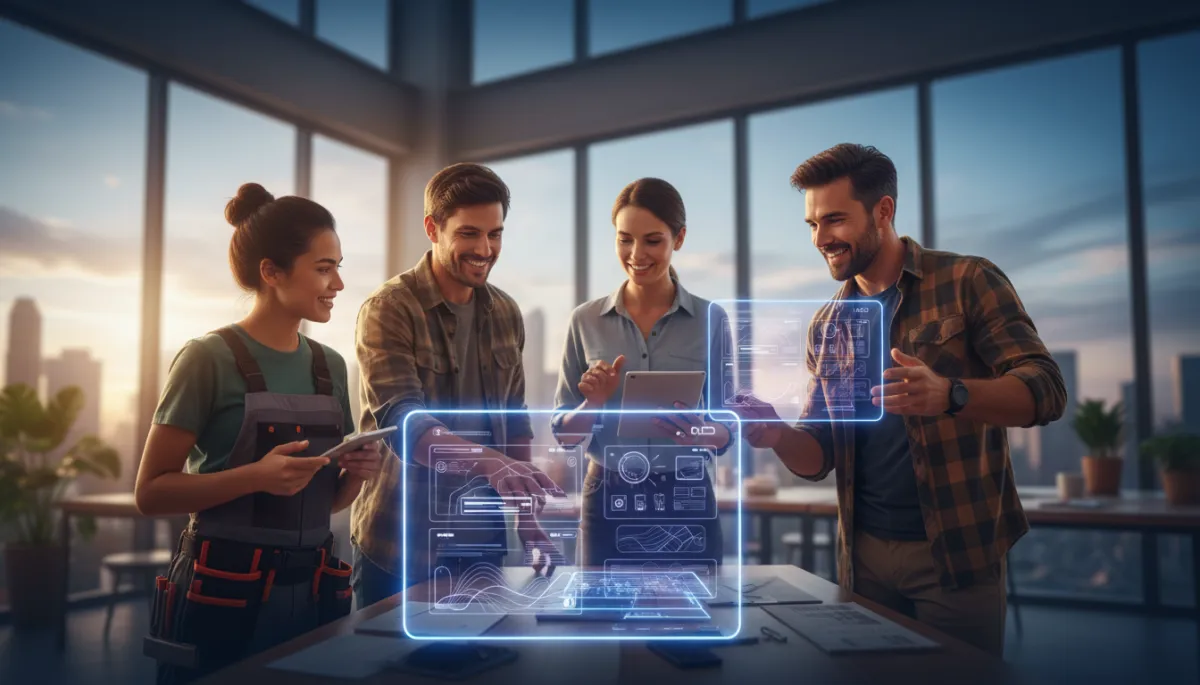
In 2026, the most effective service business websites feel less like brochures and more like friendly conversations. Designers are moving away from stiff, boxy layouts toward softer, more organic structures—curved sections, gentle gradients, and subtle asymmetry that feels warm and human (Rezaworks).
For a local plumber, dentist, or landscaping company, this matters because it helps visitors instantly sense your personality and values. Hand‑drawn icons, imperfect lines, and candid staff photos make your brand feel approachable and rooted in the community—exactly what local customers are looking for when they search “near me.”
2. Bento‑Style Sections That Make Services Easy to Scan
Bento grid layouts—modular “cards” arranged like a neatly packed lunchbox—are one of the standout Web Design patterns for 2026 (Updot). For local businesses, this is a powerful way to present services, locations, and offers in a single glance. Each card can highlight a core service, price range, review snippet, or seasonal promotion, with a clear button to “Book,” “Call,” or “Get a Quote.”
Imagine a home cleaning company’s homepage: one card for regular cleans, one for deep cleans, one for move‑out services, and one for commercial clients. Visitors don’t have to dig through menus; they can tap the card that fits them and move straight into your booking flow. That clarity translates directly into more enquiries and fewer abandoned visits.
3. Kinetic Typography That Guides the Eye, Not Just Decorates
Typography is no longer static. In 2026, service business websites increasingly use animated and variable fonts—headlines that gently move as you scroll or subtly resize on smaller screens (Haddington Creative). The goal isn’t to show off, but to draw attention to what matters most: what you do, where you are, and how to contact you.
For local businesses, bold, clear typography can highlight key trust signals: “Serving Springfield for 25+ Years,” “Same‑Day Emergency Repairs,” or “Free First Consultation.” Pairing expressive headlines with plain‑language body text keeps your message sharp and accessible, even for visitors skimming on a small phone screen.
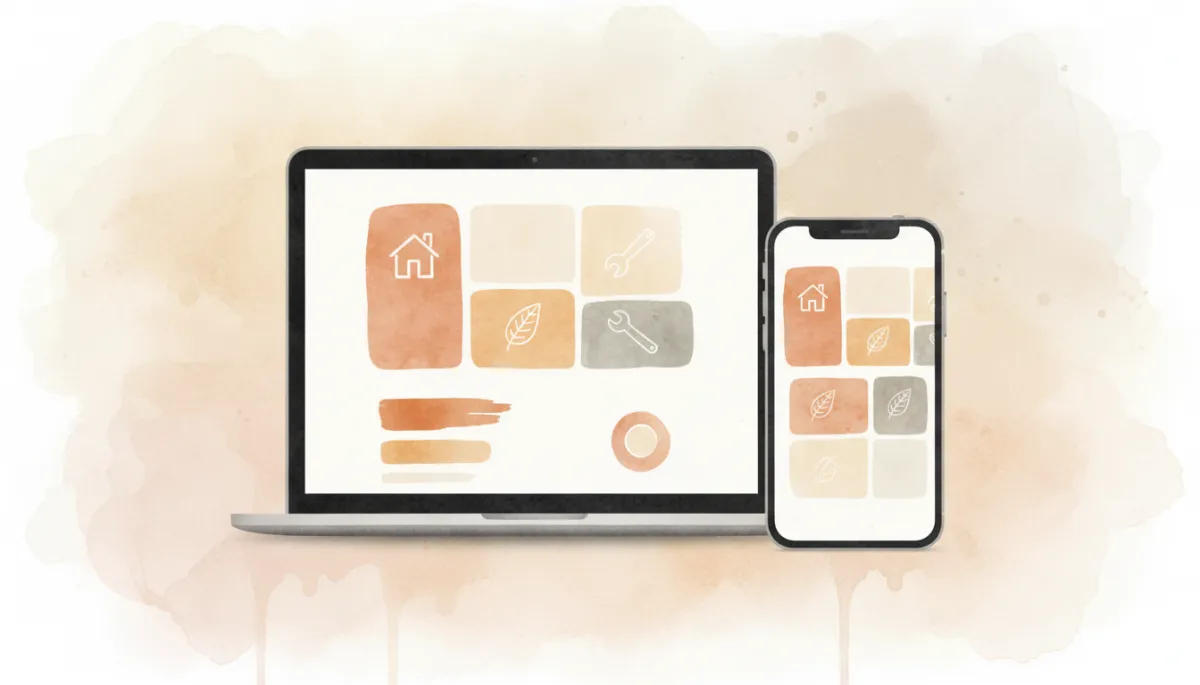
Clear layouts and confident typography help local customers choose you in seconds.
4. Motion, Micro‑Interactions, and Scroll‑Based Storytelling
Subtle motion is now a core part of Web Design, and it’s especially useful for service providers. Micro‑interactions—buttons that respond when tapped, form fields that validate in real time, icons that animate when hovered—give visitors instant feedback and build confidence (TheeDigital).
Scroll‑based storytelling is another Service Business Trend to watch. A roofing company, for example, might use a simple scroll journey: first screen shows the problem (leaks, damage), the next reveals their inspection process, followed by testimonials, then a clear “Schedule Inspection” call‑to‑action. Thoughtful motion keeps visitors moving forward, instead of bouncing back to search results.
5. AI‑Assisted, Data‑Driven Personalization for Local Visitors
AI isn’t just for big tech companies anymore. By 2026, even small local businesses can tap into AI‑driven design and personalization. Simple tools can automatically adjust homepage content based on time of day, device type, or visitor behavior (Webton).
For example, a local spa might highlight lunchtime express treatments for mobile visitors browsing near the business district, while evening visitors see relaxation packages. Chatbots and virtual assistants can answer common questions—parking, pricing, opening hours—24/7, freeing your staff while improving response times. The key is to use AI to remove friction, not overwhelm visitors with complexity.
6. Accessibility, Dark Mode, and Sustainable Performance by Default
One of the most important Web Design shifts for 2026 is that good websites are built for everyone. Accessibility—high contrast, readable text, keyboard navigation, and screen‑reader support—is now a baseline expectation (Updot). For local businesses, this isn’t just ethical; it also expands your potential customer base and can improve your search rankings.
Dark mode is another default feature users increasingly expect, especially on mobile. Offering a light and dark theme makes your site more comfortable to use in different environments. At the same time, performance‑first and eco‑friendly design—lean code, compressed images, and efficient hosting—keeps pages fast and reduces energy use. That speed is critical for local customers searching on the go, often on slower mobile connections.
💡 Pro Tip: If you only do three things in 2026, make your site mobile‑first, lightning fast, and fully accessible. Those foundations amplify every other design trend you adopt.
Bringing It All Together for Your Local Service Business
The top Service Business Trends in Web Design for 2026 share a common theme: they respect your customer’s time and attention. Human‑centered layouts make your brand feel approachable. Bento‑style sections and kinetic typography make information easy to scan. Motion and micro‑interactions guide visitors toward action. AI‑assisted personalization and accessibility ensure every local customer feels seen, supported, and able to take the next step.
You don’t need to adopt every new trend at once. Start with your goals: more calls, more bookings, more walk‑ins. Then, work with a Web Design partner who understands local businesses and can translate these 2026 trends into a clear, trustworthy, and high‑performing site. In a crowded local market, the businesses that invest in thoughtful, future‑ready design will be the ones customers remember—and choose—first.